Workflow Automation: What Should a Business Automate First?
 September 16, 2026
 Reading time: 7 min read
 Category: Automation
 14
14
Learn how to prioritize workflow automation using a structured framework based on volume, error rate, data quality, impact, and operational complexity.
When modern organizations initiate a digital transformation strategy, the impulse to automate every tedious operation at once can lead to bloated software architectures, frustrated employees, and diminished returns on investment. Establishing an effective approach to workflow automation requires a structured prioritisation model rather than an all-or-nothing implementation. For growing enterprises, high-volume service providers, and regional ecommerce platforms across the UAE and global markets, selecting the first candidates for process automation is a critical operational decision. By evaluating tasks based on objective metrics—such as frequency, historical error rates, data accessibility, enterprise impact, and edge-case operational complexity—companies can build scalable digital systems that yield immediate efficiency improvements without disrupting daily activities.
The Core Challenges of Hasty Automation Initiatives
Many business leaders approach workflow automation with the assumption that replacing manual data entry with software logic will instantly fix broken operational processes. However, automating an unstable, ill-defined, or overly complex workflow simply accelerates the generation of errors. When team members rely on ad-hoc spreadsheets, undocumented approval channels, or verbal confirmations, attempting to force those behaviors into automated software tools often leads to integration failures and poor system adoption.
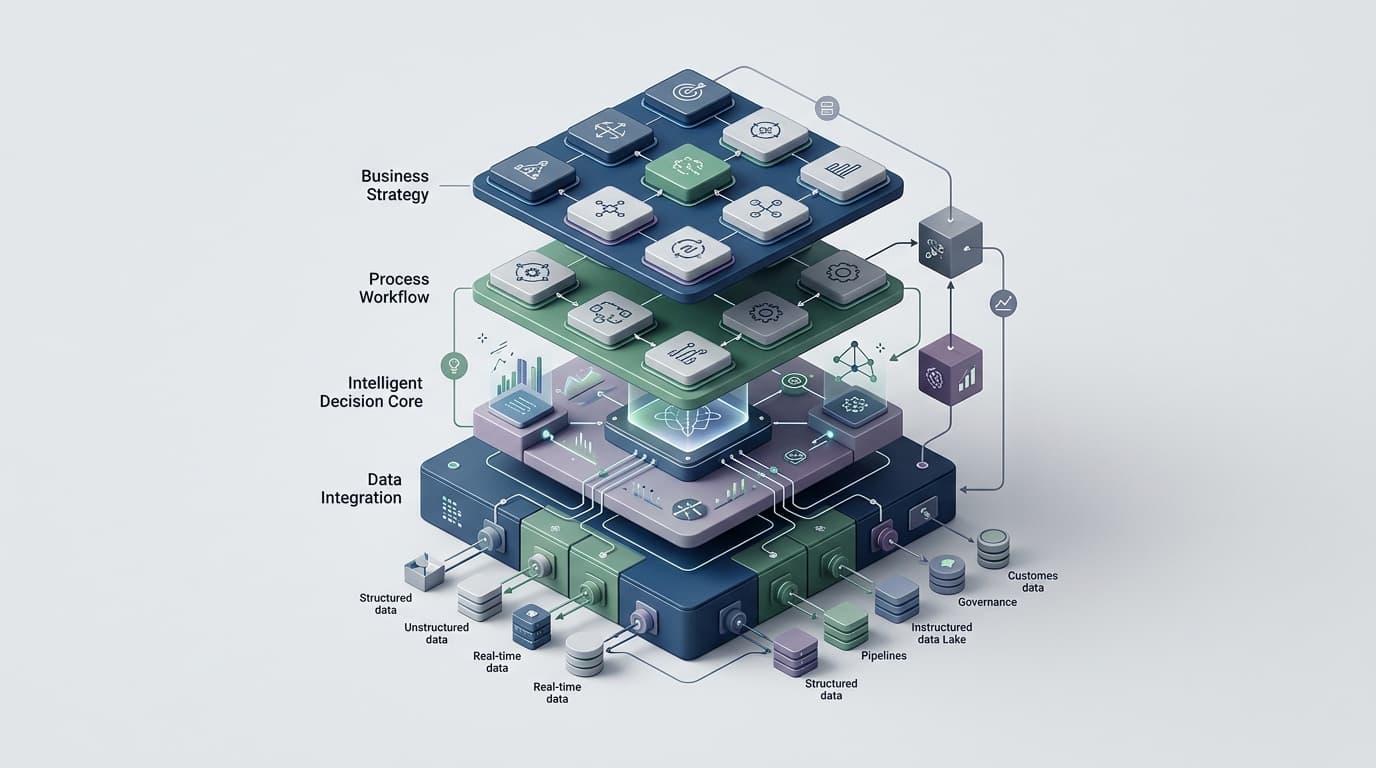
Furthermore, organizations frequently fall into the trap of prioritizing high-visibility, executive-level reporting workflows that feature low task repetition and high contextual variance. Automating a quarterly strategy review, for example, demands complex decision-making and human interpretation, making it a poor candidate for early-stage automated logic. Sustainable automation strategy begins at the operational base layer—targeting processes where data inputs are highly standardized, throughput demands are consistent, and human intervention adds minimal strategic value.
Evaluating Processes: A 5-Factor Prioritisation Framework
To identify where automation generates the highest operational return, digital operations teams and engineering leaders should evaluate potential workflows against five key operational dimensions. Scoring candidates across these categories prevents resource waste on overly complex or low-impact systems.
1. Task Repetition and Volume
Workflows that executed dozens or hundreds of times daily represent ideal starting points for automation. High-frequency tasks consume disproportionate staff time and create cognitive fatigue, which exponentially raises human error over time. For example, manually copying order data from a storefront API into a localized ERP system occurs constantly throughout an enterprise trading day. Automating high-volume operational paths yields immediate, measurable time savings across the department.
2. Historical Error Rates and Compliance Risk
Manual human intervention inevitably introduces variation. Processes that suffer from consistent data entry errors, missed notification deadlines, or compliance oversights warrant urgent consideration for automated orchestration. In industries such as B2B trade, finance, and logistics across the UAE, missing critical verification fields during onboarding or order dispatch creates direct financial liability. Routing these workflows through validated rule engines eliminates baseline human mistakes.
3. Data Availability and Structure
Automated software engines require structured digital inputs to function accurately. A workflow dependent on physical paperwork, unstructured call logs, or informal messaging threads requires an additional data-cleansing layer before automation can even occur. Conversely, processes that already utilize structured data sources—such as web forms, standardized SQL databases, digital invoices, or clear JSON payloads—can be integrated swiftly into workflow automation pipelines with low technical friction.
4. Direct Business Impact
Early automation projects must demonstrate clear business value to secure organizational buy-in for future initiatives. When ranking candidate workflows, evaluate how directly the task impacts customer satisfaction, cash flow velocity, or core operational capacity. Automating post-purchase transactional updates, for instance, directly improves customer confidence and reduces inward service tickets, delivering immediate business benefits compared to internal administrative archiving.
5. Exception Handling and Operational Logic
The complexity of a workflow depends heavily on its exception rate—the frequency with which non-standard scenarios occur. Processes featuring simple conditional logic (such as "if field X is true, update field Y") are highly deterministic and straightforward to automate cleanly. Workflows requiring extensive human judgment, strategic negotiation, or frequent policy variations present high operational friction and should be deferred until core infrastructural integrations are mature.
Practical Scenarios for Regional Businesses
Applying this framework reveals specific, high-priority candidates across key business models common in the UAE and international commercial hubs.
B2B Service Providers: Client Onboarding and Document Routing
Professional services, logistics providers, and corporate agencies often encounter bottlenecks during new client acquisition. Standardizing client onboarding using workflow automation creates seamless operational handoffs:
Input Capture: The client completes a structured digital intake form.
Validation Logic: The system automatically verifies required business records, tax documentation, and regulatory compliance checks.
System Provisioning: Validated data automatically populates the internal CRM, provisions secure client portal access, and generates standard service agreements.
Notification Dispatch: Project managers receive direct assignments while clients receive instantaneous confirmation and onboarding instructions.
By automating the structural data flow, client relationship teams eliminate administrative overhead and accelerate project commencement timelines.
Ecommerce Enterprises: Multi-Channel Order and Inventory Orchestration
Fast-growing regional ecommerce operations frequently struggle with real-time synchronization between digital storefronts, warehouse management platforms, and regional third-party logistics (3PL) providers. Implementing automation logic across inventory and fulfillment cycles solves several operational points:
Order Syncing: Storefront purchase events automatically transform into structured warehouse fulfillment requests without manual double-entry.
Inventory Allocation: Real-time inventory levels update dynamically across multiple sales channels to prevent stockouts or over-selling.
Status Tracking: Courier API webhooks push shipping updates back to the core commerce platform, triggering automated SMS and email notifications to end customers.
Automating these operational pathways frees digital teams from constant manual data reconciliation, allowing them to focus on marketing and catalog growth.
Systematic Implementation Steps for Modern Organizations
Transitioning from manual process execution to an automated infrastructure demands structured technical governance. Organizations should execute their automation roadmap through a phased operational sequence.
Step 1: Map and Audit the Existing Workflow
Never write code or configure automation logic for an unmapped process. Document every step, software application, edge case, and team interaction involved in the current state. Pinpoint exact failure modes where handoffs fail or data requires manual reformatting.
Step 2: Standardize Data Inputs
Clean inputs are essential for reliable automation. Standardize web forms, require input validation on critical fields, and eliminate unstructured text fields where dropdown selectors or validated digital forms can be used instead.
Step 3: Build a Low-Risk Prototype
Engineers and digital managers should start by constructing a isolated, sandbox proof-of-concept for the target workflow. Test how system webhooks handle unexpected inputs, server timeouts, and API rate limits before connecting live enterprise databases.
Step 4: Maintain Human-in-the-Loop Oversight
Early deployments of workflow automation systems should feature explicit manual approval checkpoints for high-value operations. For instance, an automated system can compile and validate an invoice, but require human confirmation before triggering final payment processing. Once the workflow proves reliable over time, manual checkpoints can be systematically phased out.
Building a Resilient Automation Ecosystem
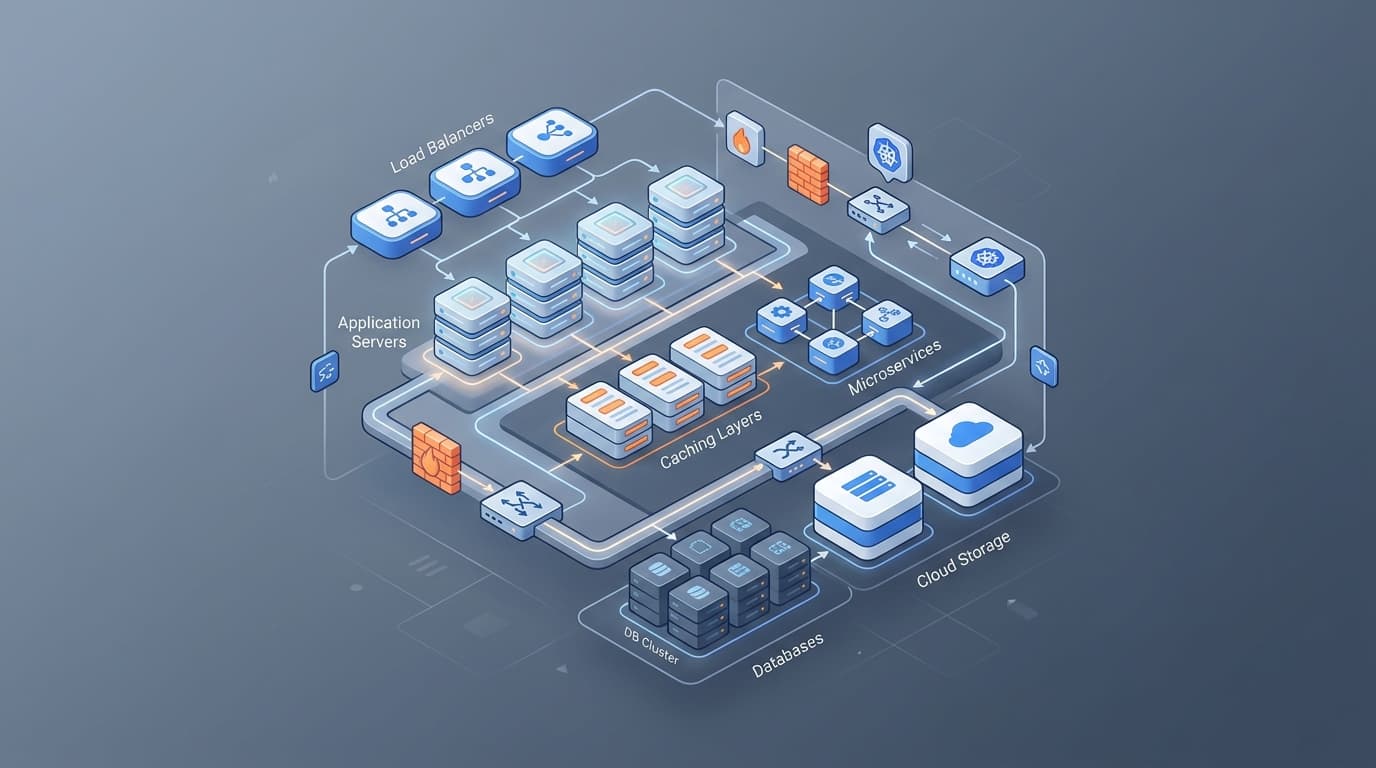
Selecting the right initial workflows to automate builds organizational confidence, protects technical budgets, and establishes a solid operational baseline. By focusing first on standardized, high-volume tasks with high data readiness and straightforward logic, enterprise organizations establish high-performing digital operations designed for continuous growth. Modern engineering, cloud architecture, and intelligent process integration ensure these digital systems remain maintainable, secure, and adaptable to evolving market demands.
Frequently Asked Questions
What are the clearest signs that a process is ready for automation?
A process is ready for automation when it is highly repetitive, relies on structured digital inputs, follows clear conditional rules, and suffers from human data-entry errors. If team members spend hours manually moving data between software systems without altering the content, that workflow is a prime candidate for automation.
Can processes that rely on paper documents or unformatted emails be automated?
Yes, but they require a pre-processing ingestion step. Modern optical character recognition (OCR) systems, document intelligence tools, and structured data parsing engines must first translate unstructured physical or unformatted text inputs into validated digital formats before automated workflow logic can execute reliably.
How should a company handle edge cases during workflow automation?
Edge cases should be routed to human operators via automated exception handling pathways. Rather than building complex, brittle code for every rare scenario, design the automated workflow to process the standard 90% of cases automatically, while generating real-time alerts for operations teams to resolve unusual exceptions manually.
What role does API integration play in sustainable workflow automation?
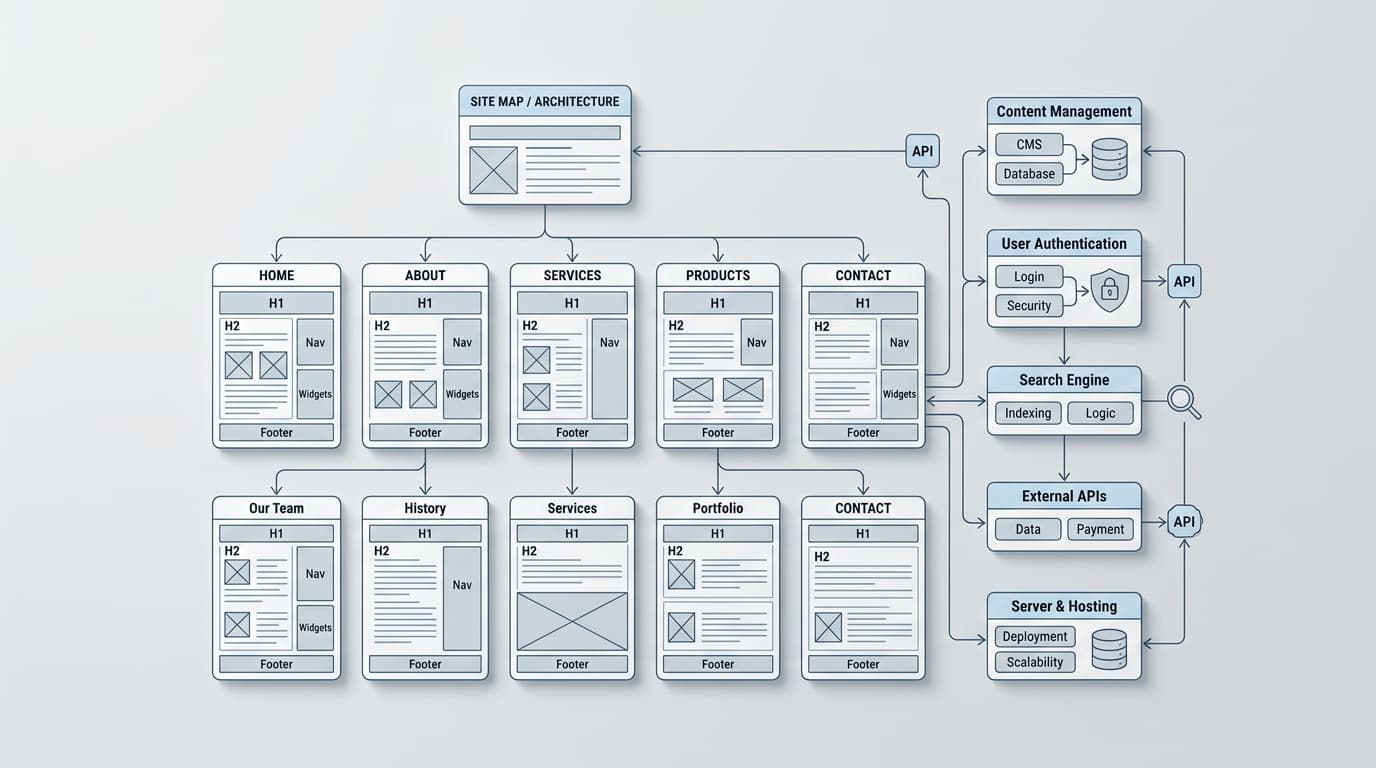
API integrations serve as the core communication layer between software tools, databases, and third-party systems. Native REST or GraphQL API connectivity ensures data flows securely, instantaneously, and accurately between endpoints without relying on unstable UI-scraping techniques or fragile custom workarounds.