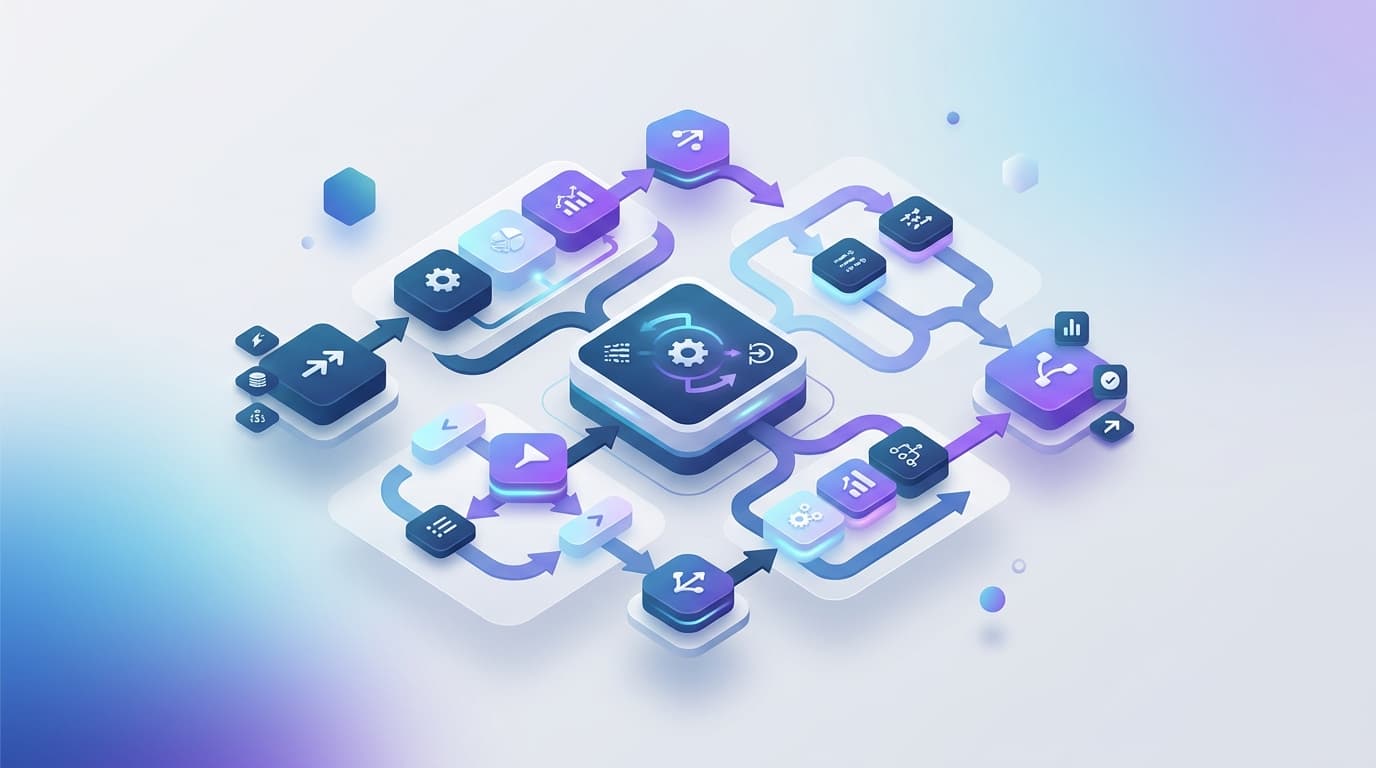
Performance Marketing in the UAE: Build a System, Not Just Ad Campaigns
 September 15, 2026
 Reading time: 7 min read
 Category: Marketing
 10
10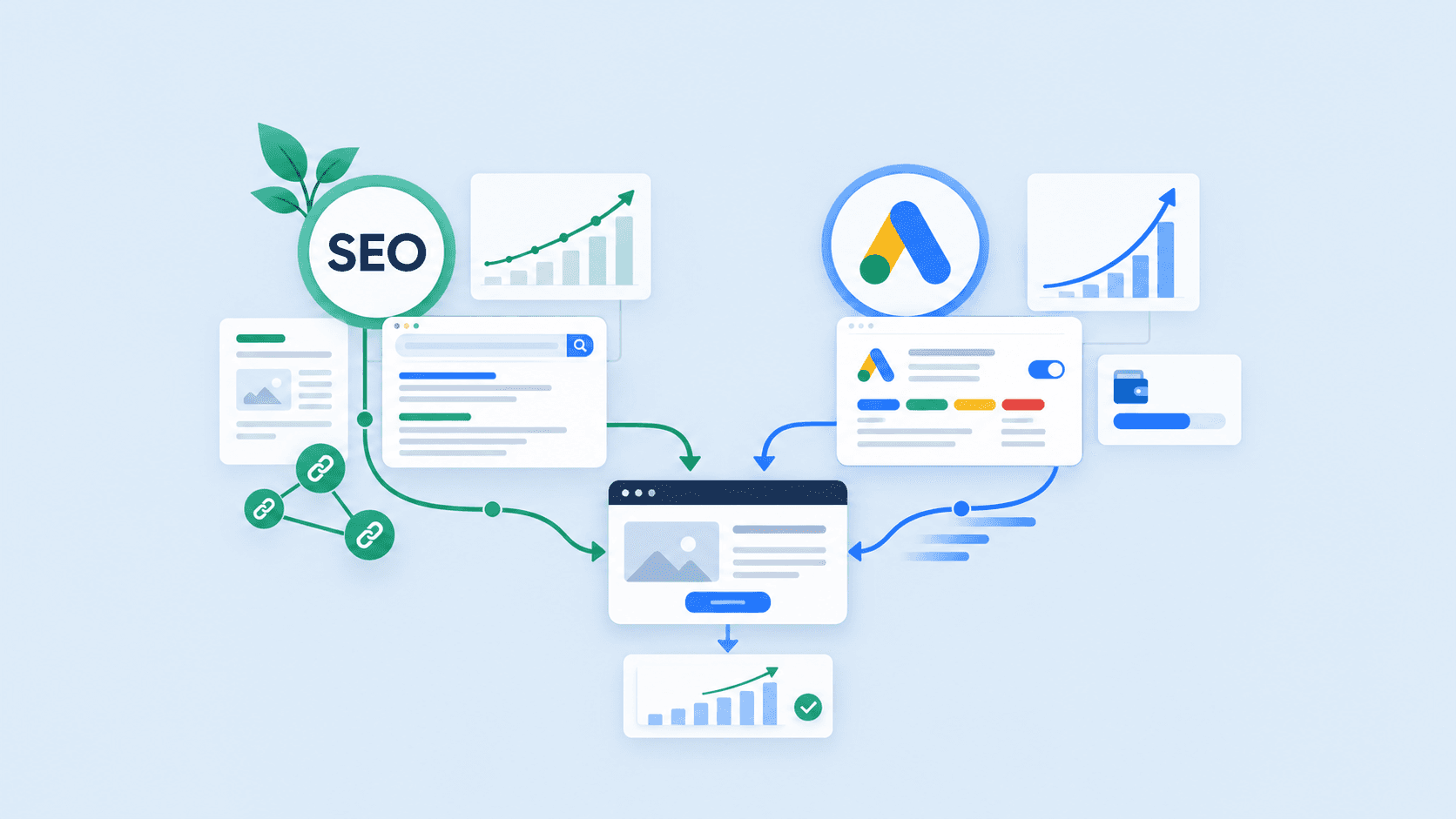
Scale predictable growth with performance marketing in the UAE. Learn how to connect media, landing pages, attribution, and CRM feedback loops into one system.
Executing performance marketing in the UAE requires moving past isolated media buying and fragmented ad campaigns. In a mature, fast-evolving digital market where user acquisition costs fluctuate rapidly across platforms like Meta, Google, TikTok, and LinkedIn, relying purely on front-end ad metrics often leads to unsustainable unit economics. Sustainable growth demands a holistic growth system—one that connects targeted media acquisition, high-converting landing pages, robust attribution modeling, structured creative testing, and deeply integrated CRM feedback loops.
For business leaders, founders, and digital directors operating within the UAE and broader GCC regions, shifting from tactical campaign execution to infrastructure-led performance architecture is the key to scaling predictably. When paid media campaigns are supported by cohesive backend systems, data transparency, and continuous optimization, every marketing Dollar spent works toward measurable customer lifetime value rather than temporary vanity engagement.
1. Defining Performance Marketing as a Business Infrastructure
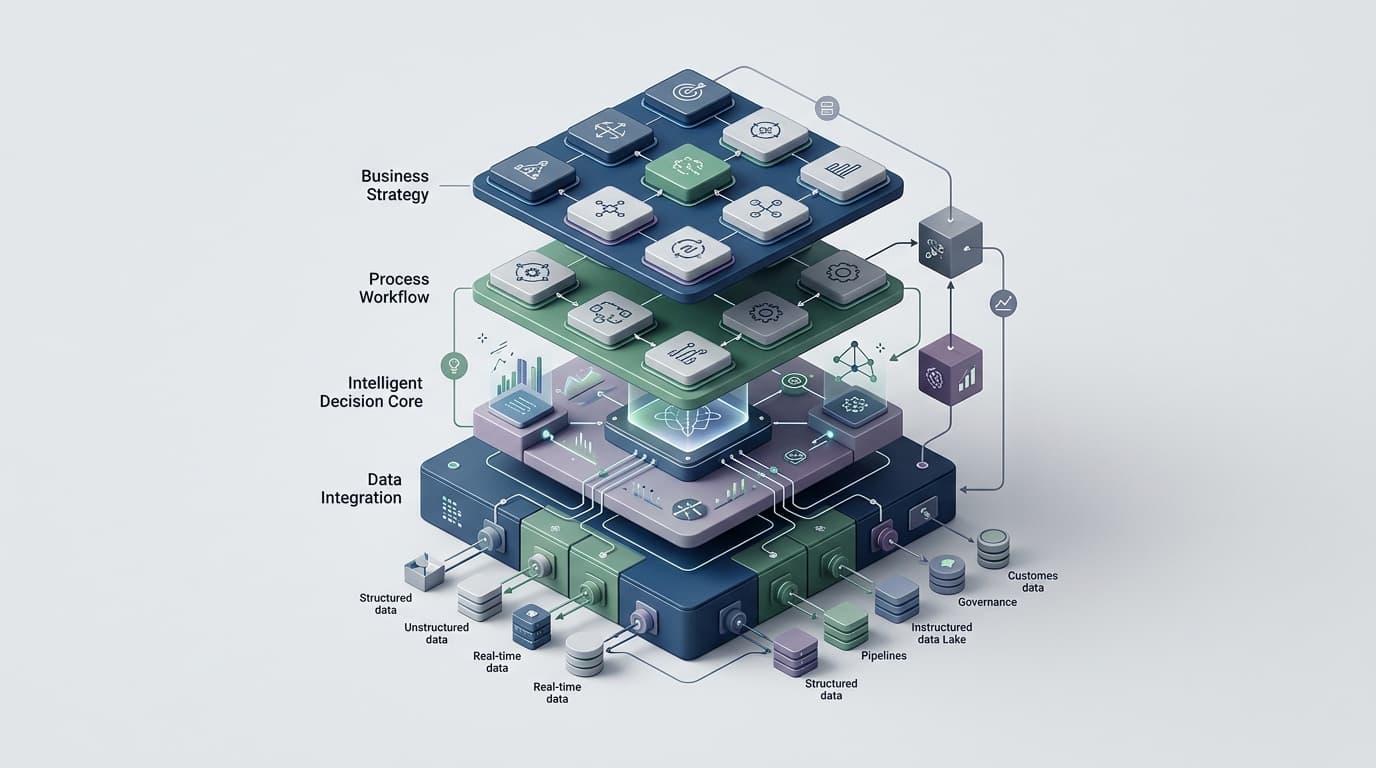
Performance marketing is frequently misunderstood as simply running paid ad campaigns with specific target ROAS goals. However, treating media channels as isolated silos obscures the operational infrastructure required to sustain ROI. A true performance engine functions as a closed-loop system where data flows continuously between ad platforms, on-site experiences, and business intelligence suites.
In the regional market, brands often struggle not because their ad messaging is weak, but because their post-click ecosystem fails to support the traffic generated. Building a true system requires aligning five foundational pillars:
Strategic Media Allocation: Deploying capital across channels based on intent levels rather than channel popularity.
Frictionless Conversion Environments: Engineering customized landing page experiences tuned to regional user behavior.
Data & Attribution Engineering: Capturing reliable first-party data despite browser tracking restrictions and privacy shifts.
Systematic Creative Iteration: Treating ad creative as a dynamic dynamic variable tested against audience segments.
CRM Feedback Loops: Passing down-funnel sales data back to advertising networks to train platform optimization algorithms.
2. Designing Funnels for the UAE Digital Landscape
Consumer behavior in the UAE is characterized by high mobile adoption, multi-device touchpoints, and diverse demographic profiles. A linear conversion funnel rarely reflects reality. Instead, digital teams must design multi-stage funnels designed to guide prospects seamlessly from initial brand awareness to post-purchase retention.
Upper-Funnel: Intent Generation and Positioning
At the top of the funnel, performance media should focus on problem recognition and value differentiation. High-impact video creatives on platforms like Instagram, TikTok, and YouTube help anchor your value proposition. Rather than pushing for immediate transactions, upper-funnel activities should focus on generating high-intent traffic, capturing contact information, or populating retargeting pools with qualified audiences.
Mid-Funnel: Trust Building and Consideration
Middle-of-funnel strategies address friction points, objections, and evaluation criteria. In competitive sectors across Dubai and Abu Dhabi, consumers demand social proof, localization, clear pricing structures, and transparent service details. Mid-funnel campaigns leverage targeted retargeting, interactive tools, case studies, and email lead nurture sequences to validate the purchase decision.
Lower-Funnel: Conversion and Friction Reduction
Bottom-of-funnel touchpoints, primarily driven by high-intent Google Search campaigns and sharp retargeting ads, must convert demand efficiently. At this stage, any technical delay, confusing checkout steps, or lack of preferred payment methods directly increases acquisition costs.
3. High-Converting Landing Pages and Technical Architecture
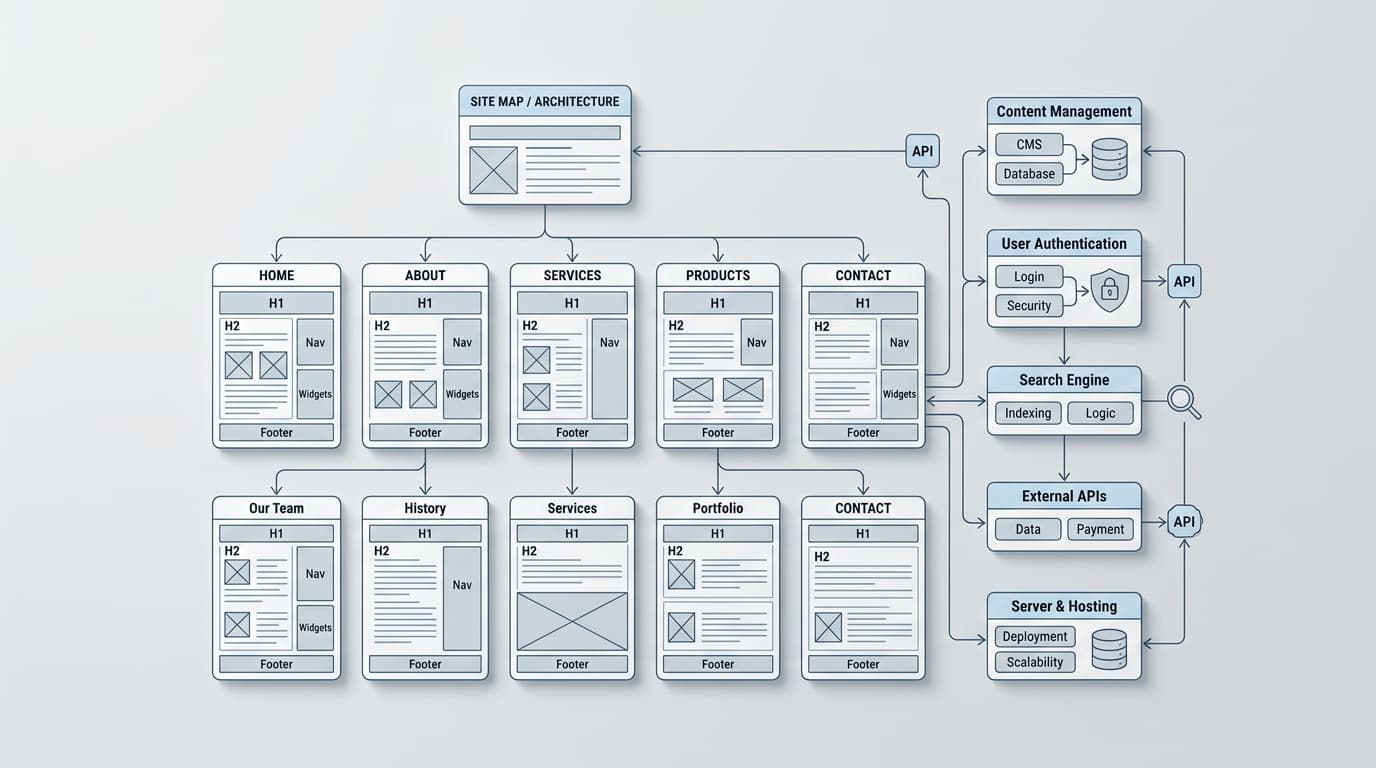
An advertising campaign is only as effective as the environment to which it directs traffic. Directing paid ads to a generic homepage is one of the most common causes of wasted ad spend in digital marketing. High-performing performance marketing in the UAE relies on custom, hyper-relevant landing pages engineered for speed, mobile usability, and conversion rate optimization (CRO).
To build landing pages that consistently convert paid traffic into active leads or customers, organizations must focus on technical and structural standards:
Sub-Second Load Speed: Page latency drastically inflates bounce rates. Landing pages must be optimized via server-side caching, efficient asset compression, and clean code execution.
Localized UX & Content: Offering seamless multi-language switching—particularly between English and Arabic—ensures accessibility across diverse demographics without creating UX friction.
Message Match: The copy, headline, visual assets, and offer on the landing page must mirror the exact ad copy and creative that generated the click.
Clear Value Exchange: Forms and calls-to-action (CTAs) should be streamlined, asking only for essential information while offering immediate value.
Trust Signals and Compliance: Clear business credentials, security badges, localized testimonials, and transparent terms help establish immediate credibility.
4. Measurement, First-Party Data, and Server-Side Attribution
With traditional cookie tracking declining due to browser privacy policies, relying solely on client-side tracking pixels leads to understated conversions, misattributed revenue, and poor ad algorithm training. Modern performance marketing systems rely on robust first-party data strategies anchored by Server-Side Tracking and Conversion APIs (CAPI).
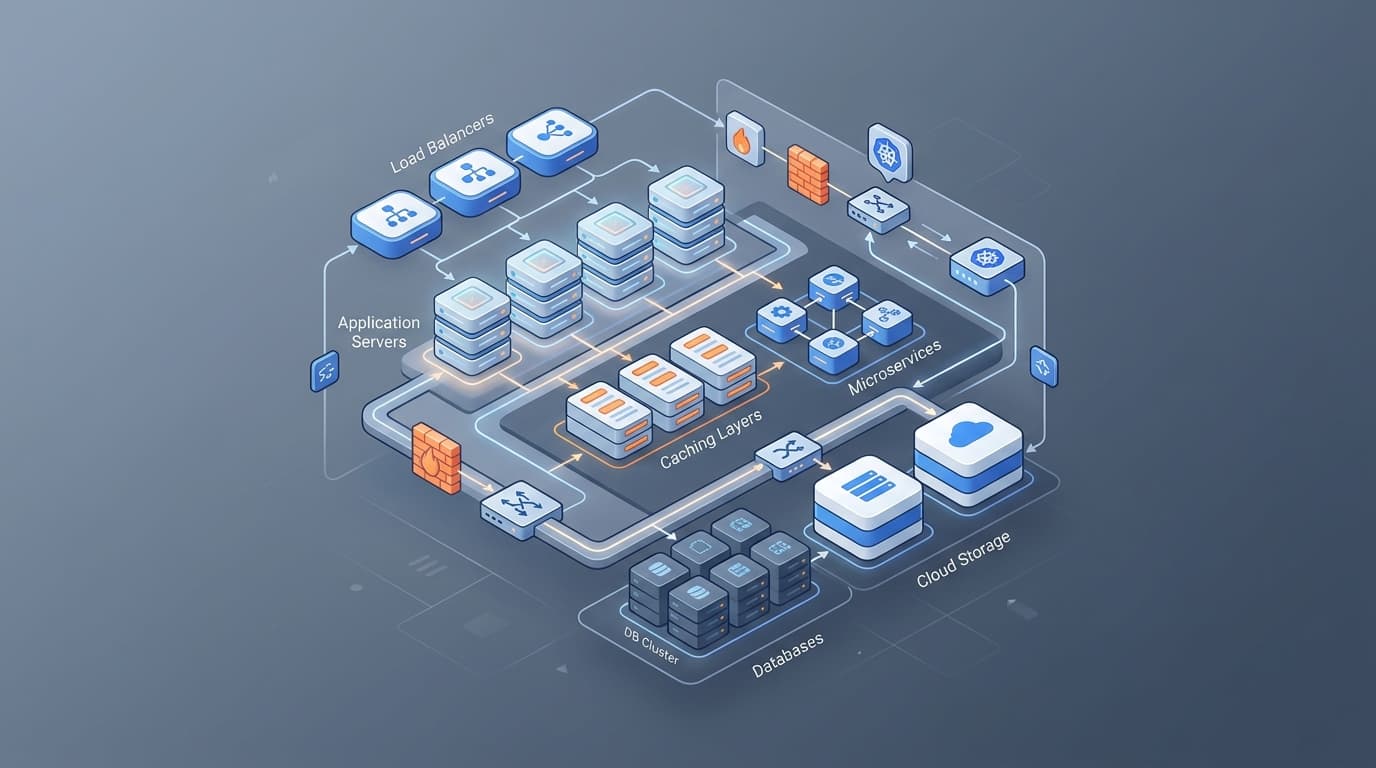
By capturing data server-side, brands send accurate transaction events directly from their web servers or cloud infrastructure to ad platforms like Meta, Google, and LinkedIn. This setup guarantees that ad network algorithms receive clean, unblocked conversion data, allowing them to optimize targeting toward high-value users effectively.
Furthermore, digital teams should move beyond single-touch attribution models. Blending multi-touch attribution (MTA) with media mix modeling (MMM) provides a balanced view of how organic touchpoints, brand search, paid media, and localized campaigns work together to drive final business revenues.
5. Systematic Creative Testing Frameworks
In modern performance marketing, ad creative acts as the primary targeting lever. Machine learning algorithms on platforms like Meta and TikTok dynamically match ad creatives to user profiles based on content resonance. Relying on static, un-tested creatives quickly leads to ad fatigue and rising acquisition costs.
A structured creative testing framework ensures continuous asset refresh without inflating production budgets. Teams should organize creative testing around specific variables:
Hooks: Testing the first 3 seconds of video content to identify which angles stop visual scrolling.
Value Propositions: Comparing functional benefits against emotional or outcome-focused messaging.
Visual Formats: Systematically testing user-generated content (UGC), high-production motion graphics, dynamic product catalogues, and single-image stills.
Call-to-Action Variations: Iterating on the urgency and clarity of the target offer.
By treating ad creative as a data-driven science rather than pure artistic intuition, performance teams can continuously systematically retire underperforming assets and scale top-performing creative variations.
6. Connecting Marketing Systems with CRM Feedback Loops
The ultimate objective of performance marketing is not lead volume or web clicks, but bottom-line business profitability. In B2B environments, high-ticket services, luxury retail, and real estate, a closed lead does not automatically equal actual business revenue. Passing front-end metrics down to customer relationship management (CRM) software is critical.
Integrating your web platform, marketing infrastructure, and CRM creates an automated feedback loop that transforms campaign execution:
When a lead converts on a landing page, the original click identifier, UTM parameters, and ad data are stored in the CRM. As the lead progresses through the sales pipeline—from qualified opportunity to closed deal—the CRM pushes updated lead status back to ad networks via Server-Side APIs. Ad platforms then use offline conversion tracking to refine their algorithmic targeting toward prospects who mirror the behavior of closed, high-revenue customers rather than casual form submitters.
7. Building a Sustainable Performance Ecosystem with ViraaWeb
Achieving predictable, scalable acquisition across the UAE and international markets requires unifying creative execution with advanced technical infrastructure. Performance marketing cannot live in isolation from your web architecture, database design, automation workflows, and overall analytics strategy.
At ViraaWeb, we help growth-focused organizations build integrated digital engines. By combining high-performance web development, optimized landing pages, cloud infrastructure, AI-driven automation, and data-backed digital marketing strategies, we help businesses transform disconnected campaigns into resilient, repeatable revenue systems.
Frequently Asked Questions
Why is performance marketing in the UAE moving toward server-side tracking?
Server-side tracking bypasses browser-level ad blockers, Intelligent Tracking Prevention (ITP), and third-party cookie restrictions. By transmitting conversion data directly from the server to ad platforms via Conversion APIs (CAPI), businesses maintain accurate attribution data, train ad algorithms efficiently, and better protect user privacy.
How does landing page design impact paid performance ad performance?
Ad networks evaluate the post-click experience when determining ad delivery costs and placements. Fast-loading, highly relevant landing pages lower bounce rates, increase conversion rates, improve quality scores, and directly decrease overall acquisition costs by converting a higher percentage of paid traffic.
What is the difference between running ad campaigns and building a performance marketing system?
Running ad campaigns involves launching isolated ads on platforms to get immediate traffic or clicks without systemic tracking or post-click integration. Building a performance marketing system involves setting up a connected data infrastructure—including funnels, CRO landing pages, server-side attribution, creative testing frameworks, and CRM feedback loops—to ensure long-term, predictable ROI.
How do CRM feedback loops improve ad targeting efficiency?
CRM feedback loops pass offline conversion data—such as qualified leads, proposals sent, and closed revenue—back to advertising platform algorithms. This allows the ad networks to optimize delivery toward prospects likely to become paying customers, rather than just users who submit forms without buying.