Headless vs Traditional Websites: When Does Headless Architecture Make Sense?
 September 15, 2026
 Reading time: 8 min read
 Category: Web Design & Development
 12
12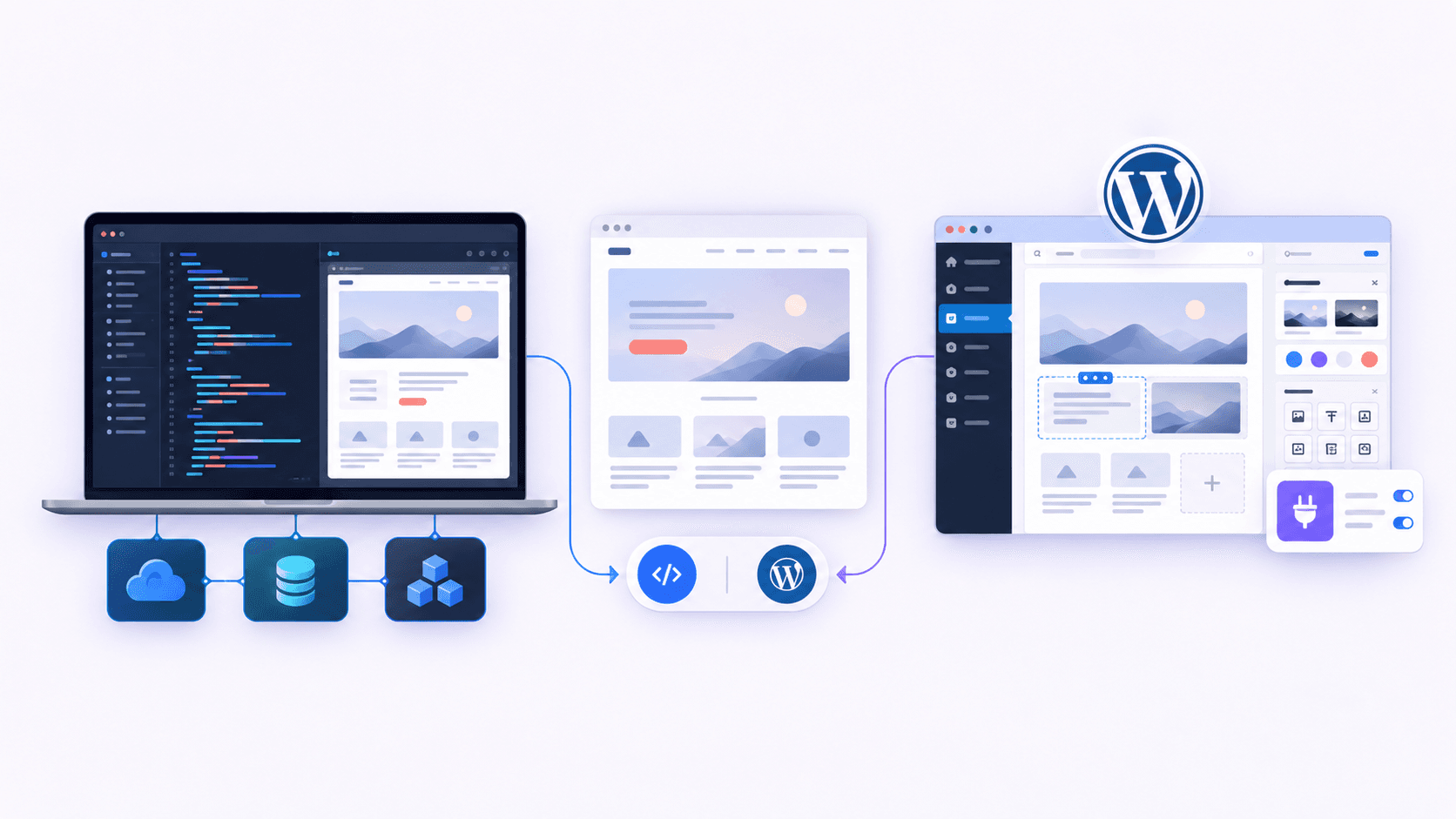
Compare headless architecture vs traditional websites. Learn when decoupled APIs make strategic business sense for performance, scaling, and integration.
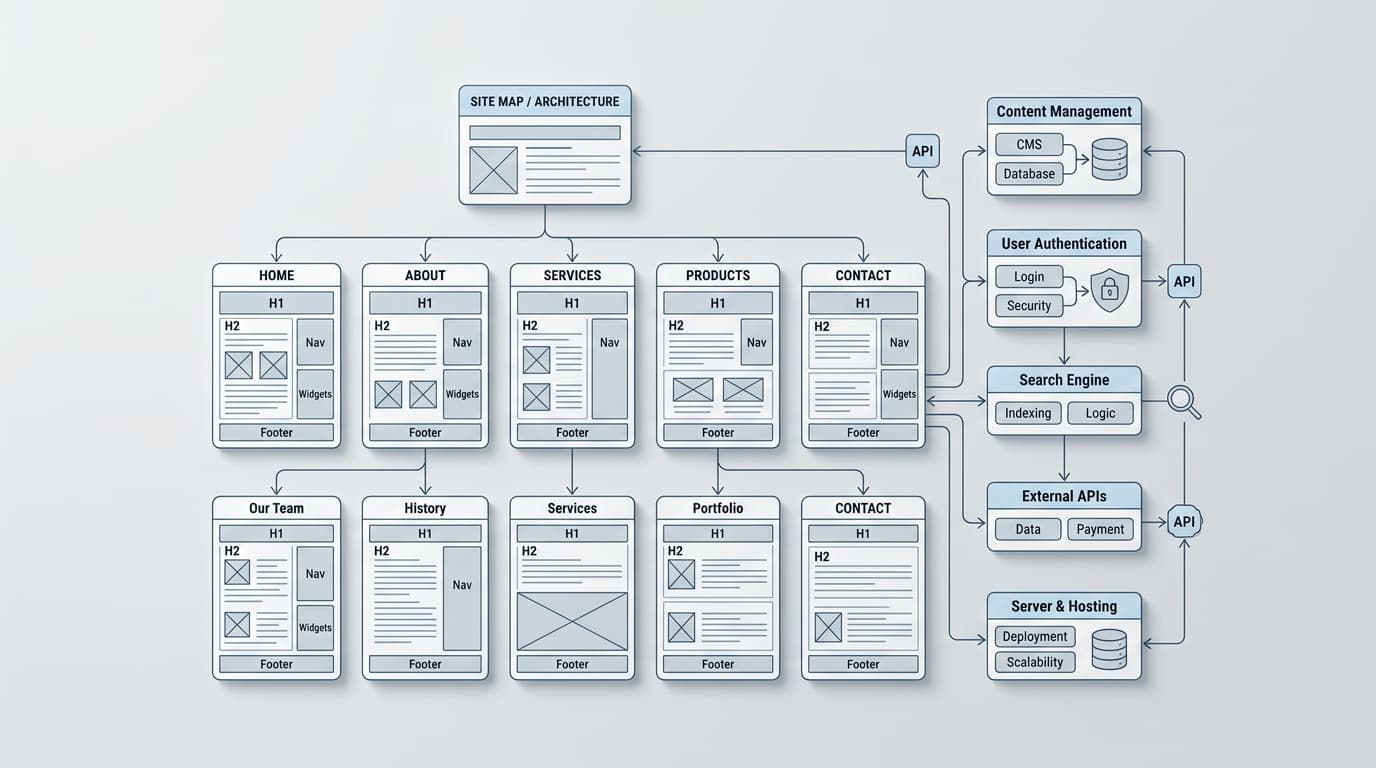
Choosing the right web architecture is one of the most consequential decisions a enterprise engineering or marketing team can make. For years, traditional monolithic Content Management Systems (CMS) like WordPress, Drupal, and Adobe Experience Manager served as the default standard for digital experiences. These systems couple the backend database and administration layer directly with the frontend display layer, handling content management and presentation within a single unified codebase.
However, the rise of multi-channel digital touchpoints—including mobile applications, smart devices, web applications, and Internet-of-Things (IoT) displays—has exposed the limits of traditional architecture. This shift has driven widespread adoption of headless architecture. By decoupling the content repository (backend) from the presentation layer (frontend) and linking them exclusively through Application Programming Interfaces (APIs), headless solutions allow companies to serve content to any device or interface without restriction.
While headless architecture offers undeniable performance and architectural advantages, it also introduces operational overhead and engineering complexity. Understanding when this architectural shift provides a positive return on investment—and when a traditional architecture remains the smarter business decision—is essential for digital leaders navigating technical roadmap investments.
Understanding Headless Architecture in Business Terms
To evaluate headless architecture from a business perspective, it helps to look past technical jargon. In a traditional monolithic website setup, the backend (where your content is written, edited, and stored) and the frontend (the visual website your visitors see) are tightly coupled. The CMS dictates how content is presented through its internal template engines, themes, and plugin systems. If you want to change how content displays, you must work within the constraints of that specific CMS framework.
Headless architecture decouples these two layers completely. The CMS becomes purely a content repository—a "headless" body containing content assets, database structures, and management workflows—leaving the frontend presentation entirely open. Developers can build custom frontend applications using modern JavaScript frameworks like Next.js, Nuxt, or React, retrieving content on demand via RESTful or GraphQL APIs.
For business executives, this separation yields key strategic capabilities:
Omnichannel Content Delivery: Publish content once within a centralized repository and distribute it simultaneously across web portals, native iOS and Android apps, digital signage, micro-sites, and voice assistants.
Frontend Tech Independence: Engineering teams are no longer locked into the technology stack or templating languages dictated by a monolithic CMS vendor.
Parallel Workflows: Developers can rebuild, redesign, or refactor the user interface without disturbing the backend content structure, database, or administrative processes.
Comparing Operational Complexity and Engineering Costs
While the benefits of decoupling are significant, moving away from a traditional website architecture requires a fundamental shift in technical operations and resource allocation. Organizations considering headless architecture must evaluate several critical trade-offs.
Development Setup and Upfront Investment
Traditional monolithic platforms benefit from vast ecosystems of pre-built themes, templates, and plugins. A traditional site can often be built rapidly using out-of-the-box administrative tooling and established deployment patterns. In contrast, modern headless architecture demands custom frontend development from scratch. Engineering teams must build routing, state management, page rendering pipelines, preview workflows, and API integrations manually, resulting in higher initial development costs and longer time-to-market for initial deployment.
Content Operations and Marketing Workflows
One of the most frequently overlooked challenges in headless adoption is marketer autonomy. Traditional CMS platforms offer rich visual page builders, inline editing, drag-and-drop component positioning, and instant visual previews. When an enterprise transitions to a headless setup, marketing teams can lose these visual editing capabilities unless the backend CMS is explicitly configured with visual page-building solutions like Contentful, Storyblok, or Sanity.
Without a carefully architected authoring environment, marketers become dependent on developers to alter page layouts, launch landing pages, or update structured content components, causing friction in digital marketing operations.
Performance Opportunities, Security, and Scalability
Where headless architecture truly shines is in its technical capabilities around speed, security resilience, and enterprise-grade infrastructure scaling.
Core Web Vitals and Page Load Speed
Traditional monolithic systems execute complex database queries, run server-side dynamic template logic, and load multiple third-party plugin assets every time a visitor requests a page. This process often degrades site speed and negatively impacts Google Core Web Vitals performance metrics.
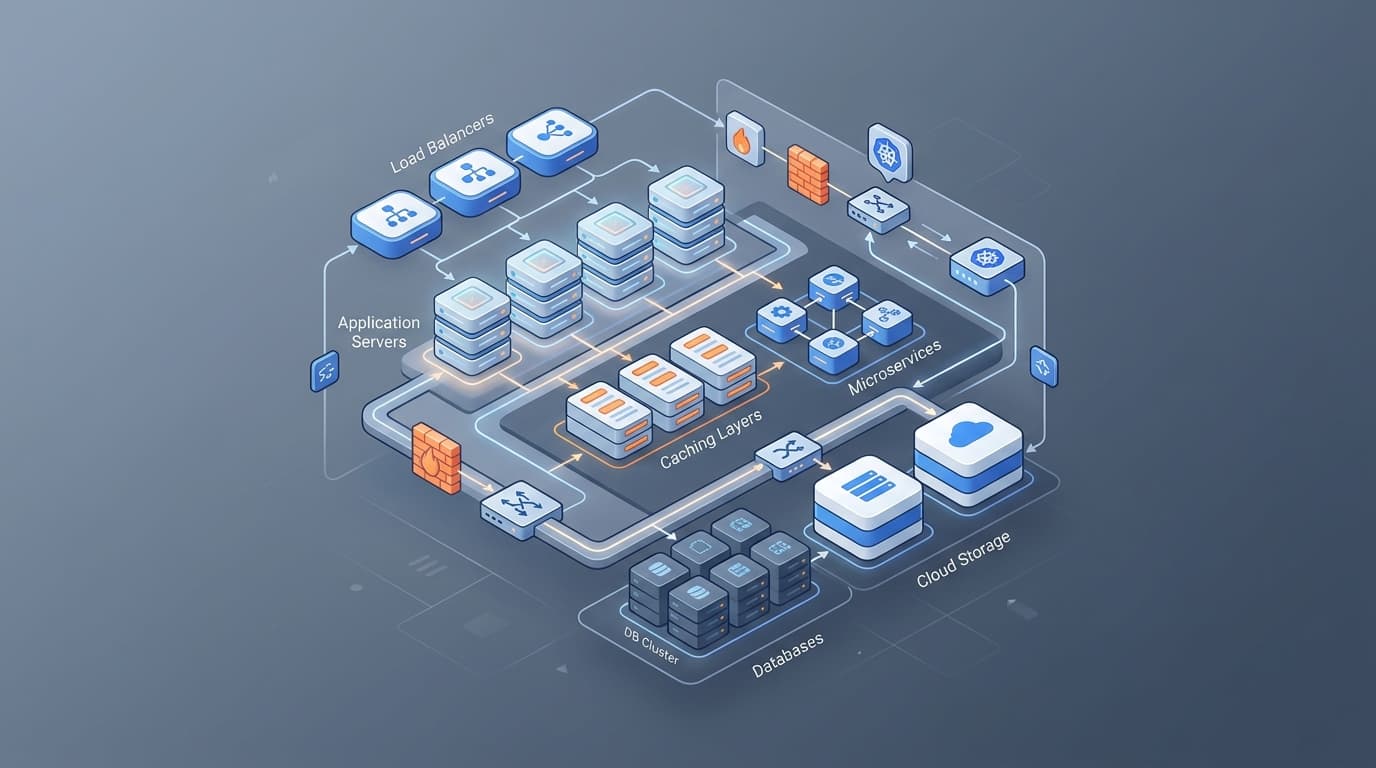
Headless sites, by contrast, frequently utilize static site generation (SSG) or server-side rendering (SSR) hosted on modern Content Delivery Networks (CDNs) and edge networks. Pre-rendering pages into static HTML files served directly from the edge reduces Time to First Byte (TTFB), delivers instantaneous page transitions, and improves dynamic user experience scores across mobile and desktop devices.
Security and Infrastructure Resilience
In a traditional website setup, the administrative interface, database, and public presentation layer share the same server environment. Security vulnerabilities within plugins, themes, or core CMS software can expose the entire backend infrastructure to unauthorized access or database breaches.
With headless architecture, the public presentation layer is entirely separated from the content database. The backend CMS sits behind secure API gateways and private networks, rendering common attack vectors like SQL injections, cross-site scripting (XSS), and automated database exploits ineffective against the public-facing storefront.
Enterprise System Integrations and Data Orchestration
Modern enterprise digital ecosystems rarely operate in isolation. Fast-growing brands rely on complex stacks including Enterprise Resource Planning (ERP) systems, Customer Relationship Management (CRM) databases, Product Information Management (PIM) tools, search indexes (like Algolia or Elasticsearch), and specialized payment gateways.
Integrating these disparate third-party systems into a traditional monolithic architecture often leads to bloated codebases, custom plugin conflicts, database performance bottlenecks, and fragile dependencies that break during system upgrades.
Headless architecture excels at enterprise integration through microservices and API-first design principles. Instead of forcing external data into a CMS database, headless applications act as data orchestrators. A single modern web interface can fetch product data from a PIM, inventory status from an ERP, real-time pricing from an engine, and articles from a headless CMS—consolidating them seamlessly within the API layer before presenting them to the user.
When Traditional Architecture is Still the Better Choice
Despite the current momentum behind headless platforms and Composable Commerce, headless architecture is not a universal solution for every business scenario. Adopting headless without a compelling strategic rationale can result in unnecessary budget expenditure, operational complexity, and organizational friction.
A traditional monolithic architecture remains the superior, more cost-effective choice in several key scenarios:
Content-Focused Websites with Standard Layouts: Corporate blogs, news portals, brochure sites, and standard business websites that do not deliver data across multiple digital products or apps benefit far more from the simplicity of a traditional CMS.
Small to Medium Engineering Budgets: If your organization lacks dedicated frontend engineers, DevOps specialists, and API maintenance resources, managing a decoupled tech stack will quickly overwhelm your team.
High Dependence on Pre-Built Ecosystems: Organizations relying on thousands of inexpensive, turn-key plugins for forms, SEO management, membership portals, and page layouts will find building these features from scratch in modern JavaScript framework setups prohibitively expensive.
Fast Time-to-Market Requirements: When speed of launch is the primary business objective, traditional monolithic templates allow teams to deploy functional, aesthetically pleasing digital environments in weeks rather than months.
Strategic Decision Matrix: Evaluating Your Architectural Roadmap
To help digital decision-makers assess their organization's readiness for modern architecture, consider the following evaluation criteria:
Omnichannel Reach: Do you need to push content to native apps, IoT systems, smart devices, or multiple custom web portals simultaneously? If yes, headless architecture provides significant operational efficiency.
Internal Technical Capabilities: Does your organization employ experienced JavaScript developers (React, Vue, Next.js) capable of maintaining modern frontend codebases, CI/CD pipelines, and API layer integrations? If no, traditional architecture is safer.
Customization and Performance Requirements: Is your business losing conversions due to performance constraints, or struggling with custom user flows that monolithic platforms cannot accommodate? If yes, headless is worth the investment.
Budget Allocation Strategy: Is your enterprise prepared to reallocate technical spending from ongoing server management and plugin troubleshooting toward modern frontend development and API subscriptions?
Conclusion: Aligning Technical Architecture with Business Objectives
The choice between headless vs traditional website architecture should never be driven purely by engineering trends or technology hype. Architecture exists to serve business strategy, content operations, customer experience, and long-term scalability.
Headless architecture is an ideal choice for high-growth digital brands, omnichannel commerce operations, enterprise platforms, and organizations requiring bespoke user experiences, maximum performance, and enterprise-level system integrations. Conversely, traditional monolithic web architectures remain a highly reliable, cost-effective, and practical choice for organizations prioritizing rapid deployment, lower engineering operational costs, and simple, all-in-one content management workflows.
By conducting a rigorous evaluation of your engineering capabilities, content workflows, omnichannel ambitions, and ROI expectations, executive teams can confidently choose the architectural framework that best supports their digital vision.
Frequently Asked Questions
What is the primary difference between traditional and headless architecture?
Traditional architecture combines the content management backend and visual frontend presentation layer within a single, unified software environment. Headless architecture decouples these two systems, using secure APIs to deliver content from a headless CMS to any custom frontend interface built on modern frameworks.
Does adopting a headless architecture automatically improve SEO performance?
Headless architecture does not automatically guarantee higher search rankings, but it provides the technical infrastructure to achieve exceptional speed, optimized rendering pipelines, superior Core Web Vitals, and total control over structured data and rendering strategies (SSR/SSG), which strongly support modern SEO performance.
Is headless architecture more expensive to maintain than traditional websites?
Initial development and ongoing engineering costs for headless websites are typically higher because the frontend must be custom-built and maintained by software engineers. However, enterprise organizations often realize overall cost efficiencies through reduced server downtime, lower maintenance overhead from fragile third-party plugins, and automated cross-channel content operations.
Can non-technical marketing teams easily manage content on a headless platform?
Yes, provided the headless CMS is implemented with a modern visual page-builder interface or structured content models designed specifically for content authoring. Without proper configuration and authoring workflows, marketers may find traditional visual page builders more immediately accessible out of the box.